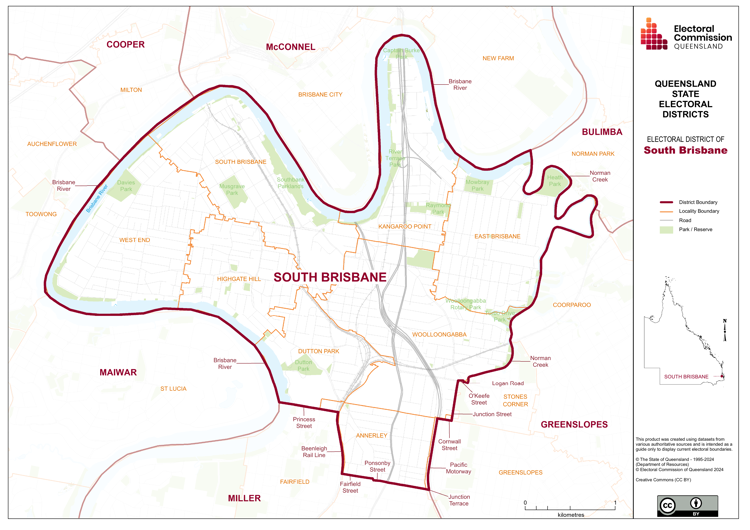
About South Brisbane

South Brisbane is a vibrant, diverse electorate with a rich history and a bright future. From its Indigenous heritage to its modern urban landscape, South Brisbane represents the best of Queensland's cultural and community values.
History & Heritage
South Brisbane has a rich and diverse history that spans thousands of years. The area is the traditional land of the Jagera and Turrbal peoples, who have been the custodians of this land for over 40,000 years. The Brisbane River, known as Maiwar in the language of the Turrbal people, has always been central to the area's identity and development.
European settlement began in the 1840s, with South Brisbane quickly developing into an important commercial and transport hub. The construction of the Victoria Bridge in 1874 connected South Brisbane to the north side, accelerating the area's growth and importance.
By the late 19th century, South Brisbane had become a thriving municipality with its own Town Hall (now home to the Queensland Conservatorium). The area has weathered floods, economic changes, and urban renewal to emerge as one of Brisbane's most culturally significant neighbourhoods.
Key Historical Moments
Pre-1840s
Land of the Jagera and Turrbal peoples, who called the area Kurilpa (place of water rats).
1846
First land sales in South Brisbane, marking the beginning of European settlement in the area.
1874
Opening of the first Victoria Bridge, connecting South Brisbane to the north side.
1888
South Brisbane declared a municipality with its own local government.
1925
South Brisbane Town Hall completed (now the Queensland Conservatorium).
1988
World Expo 88 held in South Brisbane, transforming the area and leading to the creation of South Bank Parklands.
1992
Opening of the South Bank Parklands on the former Expo site.
2010s
Major urban renewal and development of the South Brisbane peninsula.
Landmarks & Attractions
South Brisbane is home to many of Queensland's premier cultural institutions and attractions. From world-class museums to beautiful parklands, the area offers something for everyone.
South Bank Parklands
A 17-hectare riverside precinct featuring the iconic Streets Beach, rainforest walks, and numerous dining options. The parklands host many of Brisbane's major festivals and events throughout the year.
Cultural Precinct
Home to the Queensland Performing Arts Centre (QPAC), Queensland Museum, State Library of Queensland, and the Gallery of Modern Art (GOMA) - Australia's largest gallery of modern art.
West End
A bohemian neighborhood known for its diverse community, eclectic shops, vibrant markets, and multicultural dining scene. West End embodies the creative spirit of South Brisbane.
Kurilpa Bridge
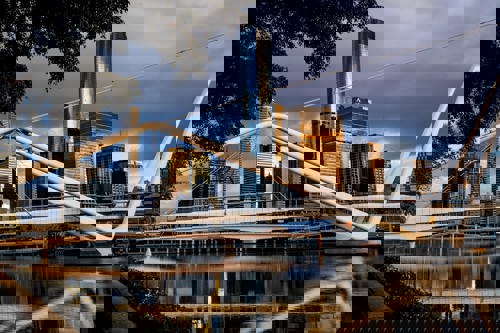
A distinctive pedestrian and cycle bridge connecting South Brisbane to the CBD, known for its unique tensegrity structure and solar-powered lighting system.
Musgrave Park
A significant site for Indigenous communities and home to cultural events including the annual NAIDOC celebrations. The park includes the Jagera Arts Centre.
Maritime Museum
Located at South Bank, the Queensland Maritime Museum houses historic vessels and artifacts celebrating Queensland's maritime heritage.
Community & Demographics
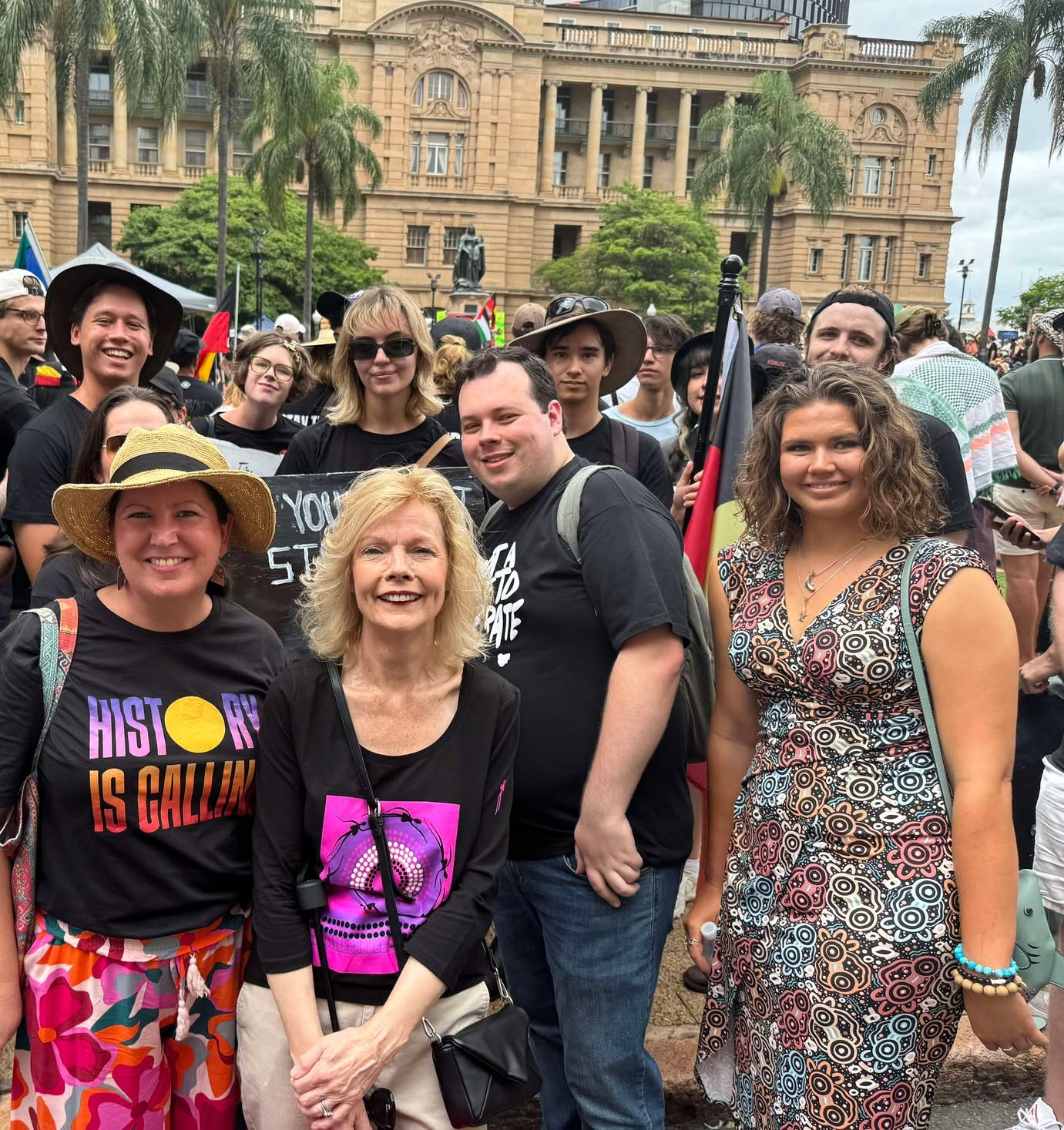
South Brisbane is one of Queensland's most diverse and dynamic communities. The electorate encompasses several distinct neighborhoods including South Brisbane, West End, Highgate Hill, Dutton Park, and parts of Woolloongabba.
The area is characterized by its multicultural population, with significant Greek, Vietnamese, Chinese, and Indigenous communities contributing to its rich cultural tapestry. This diversity is celebrated through numerous cultural festivals, markets, and community events throughout the year.
South Brisbane has a younger demographic than the Queensland average, with many students, young professionals, and creative workers calling the area home. The electorate also has a mix of long-term residents and new arrivals, creating a vibrant community atmosphere.
The area is known for its progressive values, strong community engagement, and active participation in social and environmental initiatives. Local community groups and organisations play a vital role in shaping the area's identity and future.
Local Services & Facilities
South Brisbane offers a comprehensive range of services and facilities to support its diverse community. From education and healthcare to recreation and business support, the electorate is well-equipped to meet the needs of residents and visitors alike.
Education
Home to several primary and secondary schools, including Brisbane State High School. The area also hosts Griffith University's South Bank campus and TAFE Queensland.
Healthcare
Served by the Mater Hospital complex, which includes public and private hospitals, a children's hospital, and specialised research facilities. The area also has numerous community health services and medical centers.
Transport
Well-connected by public transport, including train stations at South Brisbane and South Bank, numerous bus routes, and CityCat ferry services. The area also features extensive cycling infrastructure.
Recreation
In addition to South Bank Parklands, the area offers numerous sports facilities, community gardens, and recreation spaces including Davies Park, Musgrave Park, and Orleigh Park.
Business Support
Home to various business hubs, co-working spaces, and innovation precincts supporting local entrepreneurs and small businesses. The area has a thriving local economy with diverse commercial districts.
Community Services
Numerous community organisations provide support services, including multicultural services, youth programmes, senior support, and housing assistance. The area has strong networks of community volunteers.
South Brisbane Electorate Map